Metabolic Bone Disease Explained and How to Stop It Before It Starts
Metabolic Bone Disease in reptiles explained—how calcium, vitamin D3, and UVB prevent deformities, with diet and supplements ensuring bone health.
Orion Fentress
Research Technician - Herpetological Environments and Research in Practice (HERP) Laboratory, Eckerd College
- Metabolic bone disease is one of the most prevalent diseases amongst pet reptiles, but it is avoidable with proper husbandry and care.
- Metabolic bone disease occurs when there is not enough calcium and vitamin D3 in the body
- Metabolic bone disease can cause the bones of the animals to deform and become weak
- Metabolic bone disease can lead to death of the animal and poor quality of life if untreated.
Metabolic Bone Disease (MBD) is one of the most common reptile illnesses.
Did you know that MBD or metabolic bone disease is one of the most prevalent reptile illnesses, even though it can be avoided with proper care and husbandry? Reptiles are quickly becoming a more popular pet, but finding quality information on their care can be challenging. MBD is caused by a calcium deficiency and/or a D3 deficiency—the vitamin that helps the body absorb calcium.[8]Galante-Mulki, M. C., Alvear-Santos, Y., Santamaría-Naranjo, A. C., Merino-Viteri, A., & Genoy-Puerto, A. (2019). Radiographic and histological evidence of metabolic bone disease in gliding leaf frogs (Agalychnis spurrelli). Heliyon, 5(4), e01432. https://doi.org/10.1016/j.heliyon.2019.e01432View source [9]Svoboda, Josef, https://www.vecteezy.com/photo/11249795-crested-gecko-on-branchView sourceMBD can be found in any animal, but is most common in lizards, chelonians, and sometimes birds.[3]Hedley, J. (2012a). Metabolic bone disease in reptiles: Part 1. Companion Animal, 17(6), 52–54. https://doi.org/10.1111/j.2044-3862.2012.00210.xView source
Calcium and vitamin D3 are essential for maintaining healthy bones.
Nutrients such as calcium and vitamin D are essential for various bodily functions, including energy production, muscle function, bone growth, and regeneration.[4]Hedley, J. (2012). Metabolic bone disease in reptiles: Part 2. Companion Animal, 17(7), 38–41. https://doi.org/10.1111/j.2044-3862.2012.00227.xView source [7]Carles Juan-Sallés, & Boyer, T. H. (2020). Nutritional and Metabolic Diseases. CRC Press EBooks, 55–106. https://doi.org/10.1201/9780429154317-2View sourceThe body can absorb calcium only if it has enough vitamin D.[5]Kumar, R. (2018). Metabolic Bone Diseases of Captive Mammal, Reptile and Birds. Approaches in Poultry, Dairy & Veterinary Sciences, 3(3). https://doi.org/10.31031/apdv.2018.03.000563View source As such, it’s crucial to ensure your reptile is receiving adequate vitamin D and calcium.[7]Carles Juan-Sallés, & Boyer, T. H. (2020). Nutritional and Metabolic Diseases. CRC Press EBooks, 55–106. https://doi.org/10.1201/9780429154317-2View source When calcium is not available to a reptile, they start to utilise calcium from their bones, which causes them to become soft and/or brittle, leading to easy fractures.[5]Kumar, R. (2018). Metabolic Bone Diseases of Captive Mammal, Reptile and Birds. Approaches in Poultry, Dairy & Veterinary Sciences, 3(3). https://doi.org/10.31031/apdv.2018.03.000563View source
MBD warning signs include deformities, mobility issues, stress behaviors, kinks, and scoliosis, which change in severity as the disease progresses.
The short-term warning signs that your animal may be experiencing MBD are:
- Swollen legs
- Swollen jaws
- Leg or tail fractures
- Weak, flexible or soft bones
- Soft or misshapen shell
- Uneven scute growth
- Misshapen or overgrown beak and nails
- Early scoliosis
- Lethargy,
- Short snout
[5]Kumar, R. (2018). Metabolic Bone Diseases of Captive Mammal, Reptile and Birds. Approaches in Poultry, Dairy & Veterinary Sciences, 3(3). https://doi.org/10.31031/apdv.2018.03.000563View source [7]Carles Juan-Sallés, & Boyer, T. H. (2020). Nutritional and Metabolic Diseases. CRC Press EBooks, 55–106. https://doi.org/10.1201/9780429154317-2View source
Sudden lethargy in any animal can be serious and may require an emergency vet visit.
The long-term warning signs may be as follows:
- Misshapen toes and fingers
- Trouble walking and hunting,
- Other signs of stress/pain, such as unnatural aggression or seclusion
- Kinks in the tail or other parts of the body
- Scoliosis
[4]Hedley, J. (2012). Metabolic bone disease in reptiles: Part 2. Companion Animal, 17(7), 38–41. https://doi.org/10.1111/j.2044-3862.2012.00227.xView source [7]Carles Juan-Sallés, & Boyer, T. H. (2020). Nutritional and Metabolic Diseases. CRC Press EBooks, 55–106. https://doi.org/10.1201/9780429154317-2View source
MBD can be avoided through the correct use of lighting, a varied diet, and supplementation.
UVB lights should be used to provide UV, which supports vitamin D3 synthesis.[5]Kumar, R. (2018). Metabolic Bone Diseases of Captive Mammal, Reptile and Birds. Approaches in Poultry, Dairy & Veterinary Sciences, 3(3). https://doi.org/10.31031/apdv.2018.03.000563View source Calcium should be supplied through diet and supplementation - manufacturers, vets, and reliable guides such as our Happy Dragon’s guides can tell you the amount of Calcium needed for a species. If you see an early sign, don’t wait. Change your husbandry and see a trusted exotic veterinarian at the first sign.[2]Klaphake, E. (2010). A Fresh Look at Metabolic Bone Diseases in Reptiles and Amphibians. Veterinary Clinics of North America: Exotic Animal Practice, 13(3), 375–392. https://doi.org/10.1016/j.cvex.2010.05.007View source
Managing an animal with MBD: Mild cases can recover, but severe cases may cause lifelong effects.
An animal diagnosed with MBD can recover if the disease is mild. Still, the disease can be life-threatening and have lifelong implications (due to bone regrowth problems, infections).[8]Galante-Mulki, M. C., Alvear-Santos, Y., Santamaría-Naranjo, A. C., Merino-Viteri, A., & Genoy-Puerto, A. (2019). Radiographic and histological evidence of metabolic bone disease in gliding leaf frogs (Agalychnis spurrelli). Heliyon, 5(4), e01432. https://doi.org/10.1016/j.heliyon.2019.e01432View source MBD can be improved through dietary improvements, calcium and vitamin D supplements, and greater access to full-spectrum ultraviolet light (UVB).[8]Galante-Mulki, M. C., Alvear-Santos, Y., Santamaría-Naranjo, A. C., Merino-Viteri, A., & Genoy-Puerto, A. (2019). Radiographic and histological evidence of metabolic bone disease in gliding leaf frogs (Agalychnis spurrelli). Heliyon, 5(4), e01432. https://doi.org/10.1016/j.heliyon.2019.e01432View source More severe cases may require nutrient injections, which your exotic veterinarian can perform.
Depending on the severity and the length of time the reptile has MBD, their bones may be deformed, brittle, and/or soft for the rest of their life. Therefore, it’s essential that these animals are adequately cared for and precautions are taken to prevent them from accidentally injuring themselves.[5]Kumar, R. (2018). Metabolic Bone Diseases of Captive Mammal, Reptile and Birds. Approaches in Poultry, Dairy & Veterinary Sciences, 3(3). https://doi.org/10.31031/apdv.2018.03.000563View source Precautions can include hand-feeding if the animal has difficulty hunting, and removing climbing enrichment from the enclosure to prevent falls. More progressed cases may require removing climbing enrichment for extended periods or adding extra enrichment or support (such as netting) to help reduce painful falls if the animal is arboreal.[2]Klaphake, E. (2010). A Fresh Look at Metabolic Bone Diseases in Reptiles and Amphibians. Veterinary Clinics of North America: Exotic Animal Practice, 13(3), 375–392. https://doi.org/10.1016/j.cvex.2010.05.007View source [7]Carles Juan-Sallés, & Boyer, T. H. (2020). Nutritional and Metabolic Diseases. CRC Press EBooks, 55–106. https://doi.org/10.1201/9780429154317-2View sourceYou can reintroduce climbing enrichment to the enclosure once you've received clearance from your exotic veterinarian that your animal’s bones are strong and healthy.[8]Galante-Mulki, M. C., Alvear-Santos, Y., Santamaría-Naranjo, A. C., Merino-Viteri, A., & Genoy-Puerto, A. (2019). Radiographic and histological evidence of metabolic bone disease in gliding leaf frogs (Agalychnis spurrelli). Heliyon, 5(4), e01432. https://doi.org/10.1016/j.heliyon.2019.e01432View source
Now you know the ropes on metabolic bone disease! Thank you for following Happy Dragon and our care guides. Feel free to return to this blog for reference, or contact us if you have any questions about care.
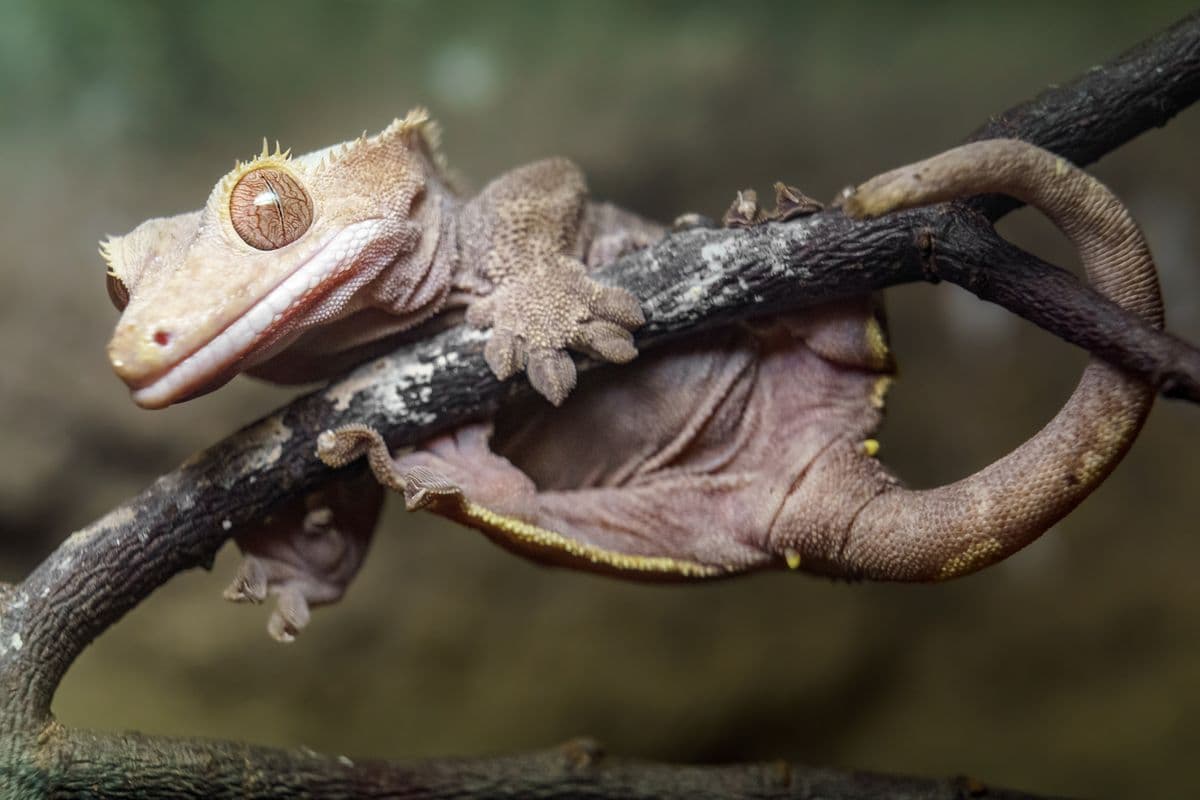
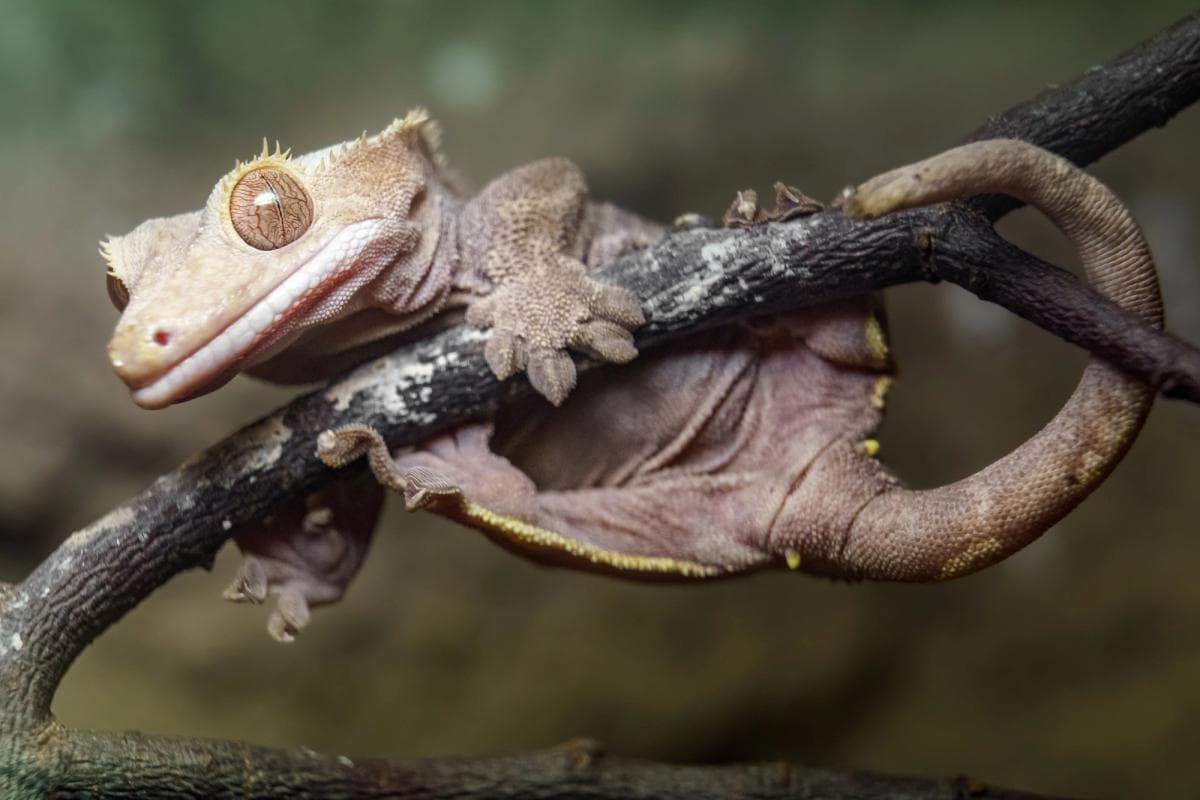
Figure 1: Crested Gecko hanging on a branch.[9]Svoboda, Josef, https://www.vecteezy.com/photo/11249795-crested-gecko-on-branchView source
References
- [1]Mays, S. (2007). Metabolic Bone Disease. Advances in Human Palaeopathology, 215–251. https://doi.org/10.1002/9780470724187.ch11
- [2]Klaphake, E. (2010). A Fresh Look at Metabolic Bone Diseases in Reptiles and Amphibians. Veterinary Clinics of North America: Exotic Animal Practice, 13(3), 375–392. https://doi.org/10.1016/j.cvex.2010.05.007
- [3]Hedley, J. (2012a). Metabolic bone disease in reptiles: Part 1. Companion Animal, 17(6), 52–54. https://doi.org/10.1111/j.2044-3862.2012.00210.x
- [4]Hedley, J. (2012). Metabolic bone disease in reptiles: Part 2. Companion Animal, 17(7), 38–41. https://doi.org/10.1111/j.2044-3862.2012.00227.x
- [5]Kumar, R. (2018). Metabolic Bone Diseases of Captive Mammal, Reptile and Birds. Approaches in Poultry, Dairy & Veterinary Sciences, 3(3). https://doi.org/10.31031/apdv.2018.03.000563
- [6]Carmel, B., & Johnson, R. (2017). Nutritional and Metabolic Diseases. Reptile Medicine and Surgery in Clinical Practice, 185–195. https://doi.org/10.1002/9781118977705.ch15
- [7]Carles Juan-Sallés, & Boyer, T. H. (2020). Nutritional and Metabolic Diseases. CRC Press EBooks, 55–106. https://doi.org/10.1201/9780429154317-2
- [8]Galante-Mulki, M. C., Alvear-Santos, Y., Santamaría-Naranjo, A. C., Merino-Viteri, A., & Genoy-Puerto, A. (2019). Radiographic and histological evidence of metabolic bone disease in gliding leaf frogs (Agalychnis spurrelli). Heliyon, 5(4), e01432. https://doi.org/10.1016/j.heliyon.2019.e01432
- [9]Svoboda, Josef, https://www.vecteezy.com/photo/11249795-crested-gecko-on-branch