Scales in the System: The Hidden Power of Reptiles in Food Webs
Reptiles serve in crucial roles as both predator and prey in a variety of environments. Their statuses can be easily disrupted by human interaction, causing cascading impacts on the food chain.
Fisher Reitz
Media Assistant - Herpetological Environments and Research in Practice (HERP) Laboratory, Eckerd College
- Reptiles act as both predators and prey in most terrestrial and aquatic food webs.
- Many reptiles help control pest populations, including rodents and insects.
- Declines in reptiles can disrupt entire food webs and ecosystem stability.
- Healthy reptile populations often indicate healthy environments.
Reptiles play an unexpected role in ecosystems because they influence everything from prey populations to nutrient cycling.
Reptiles are often overlooked when people think about essential animals in ecosystems, with attention more commonly given to larger mammals or birds. A common misconception is that reptiles are minor players in food webs or that their removal would have little impact on overall environmental stability. In reality, reptiles occupy critical positions in many ecosystems, influencing everything from prey populations to nutrient cycling.[4]Gibbons, J. W., et al. (2000). The global decline of reptiles, déjà vu amphibians. BioScience, 50(8), 653–666.
Despite this, scientific debate remains about how resilient ecosystems are to reptile loss. Some studies suggest that other predators may partially fill reptile niches, whereas others demonstrate cascading effects when reptiles decline, including rodent population explosions and altered vegetation structure.[8]Pringle, R. M., et al. (2019). Reptile declines and food web disruption. Science, 363(6425), 123–126. By examining how reptiles function within food webs, we can better appreciate why their protection is important and how human activities directly affect ecological balance.[4]Gibbons, J. W., et al. (2000). The global decline of reptiles, déjà vu amphibians. BioScience, 50(8), 653–666.
Reptiles fall into a unique place as mesopredators
In ecological terms, a food web describes the complex network of feeding relationships through which energy moves within an ecosystem.[8]Pringle, R. M., et al. (2019). Reptile declines and food web disruption. Science, 363(6425), 123–126. Reptiles often function as mesopredators, meaning they prey on smaller animals while also serving as prey for larger predators; for example, snakes commonly regulate rodent populations, while lizards consume large numbers of insects, helping control herbivory and crop pests.[7]Pianka, E. R. (1986). Ecology and natural history of desert lizards. Princeton University Press. [5]Greene, H. W. (1997). Snakes: The evolution of mystery in nature. University of California Press.Aquatic and semi-aquatic reptiles, such as turtles and crocodiles, further contribute to ecosystem dynamics by linking aquatic and terrestrial food webs through their feeding and nesting behaviors.[2]Bouchard, S. S., & Bjorndal, K. A. (2000). Sea turtles as biological transporters of nutrients. Ecology, 81(8), 2305–2317. If reptiles play irreplaceable roles within these systems, their removal, whether that be through habitat loss, overcollection, or poor husbandry, can have long-lasting ecological consequences that are difficult for humans to reverse.[9]Tingley, Reid, et al. “Addressing knowledge gaps in reptile conservation.” Biological Conservation, vol. 204, Dec. 2016, pp. 1–5, https://doi.org/10.1016/j.biocon.2016.07.021.View source
Reptiles can suffer high costs from human interactions
Human activities continually affect reptiles' ability to fulfill their ecological roles. As with many species, habitat destruction from expanding development often isolates reptile populations, reducing their numbers and limiting their access to prey.[8]Pringle, R. M., et al. (2019). Reptile declines and food web disruption. Science, 363(6425), 123–126. For example, road networks disproportionately affect snakes and turtles, species that move across large areas to forage or reproduce.[2]Bouchard, S. S., & Bjorndal, K. A. (2000). Sea turtles as biological transporters of nutrients. Ecology, 81(8), 2305–2317. When snake populations decline, rodent populations can increase rapidly, potentially leading to local crop damage and increased disease transmission risk.[4]Gibbons, J. W., et al. (2000). The global decline of reptiles, déjà vu amphibians. BioScience, 50(8), 653–666. In this way, the loss of reptiles does not simply remove one species—it alters the balance of entire ecological communities.
Pollution and climate change further complicate these interactions. Pesticides can reduce insect abundance, indirectly starving insect-eating reptiles and the predators that depend on them. Climate change alters temperature and precipitation patterns that are critical for reptile thermoregulation, reproduction, and foraging/hunting.[4]Gibbons, J. W., et al. (2000). The global decline of reptiles, déjà vu amphibians. BioScience, 50(8), 653–666. In species with temperature-dependent sex determination, such as many turtles and lizards, warming climates can skew sex ratios and alter personality, so that females and males will behave like the opposite sex, threatening long-term population stability and the ecological roles these animals play (Siviter et al., 2016). These disruptions highlight that reptile declines are not isolated conservation issues but signals of broader ecosystem stress driven by human behavior.
Reptiles serve as an early warning for environmental stability
Reptiles are increasingly recognized as valuable bioindicators, as trends in their health and population sizes often reflect environmental conditions.[8]Pringle, R. M., et al. (2019). Reptile declines and food web disruption. Science, 363(6425), 123–126. Due to the fact that reptiles are ectothermic and closely tied to external temperatures, habitat structure, and prey availability, even small environmental changes can have measurable effects on their behavior and survival.[8]Pringle, R. M., et al. (2019). Reptile declines and food web disruption. Science, 363(6425), 123–126.
Declines in lizard diversity, for instance, may indicate reductions in insect populations or habitat quality, while poor turtle nesting success can point to shoreline erosion, pollution, and human disturbance.[4]Gibbons, J. W., et al. (2000). The global decline of reptiles, déjà vu amphibians. BioScience, 50(8), 653–666. Using reptiles as indicators allows scientists and conservationists to detect environmental problems early, often before more visible or charismatic species are affected. This information is critical for land management, conservation planning, and captive breeding programs aimed at maintaining genetically and ecologically healthy populations.[4]Gibbons, J. W., et al. (2000). The global decline of reptiles, déjà vu amphibians. BioScience, 50(8), 653–666. Recognizing reptiles as early warning systems reframes them as essential tools for ecosystem monitoring rather than background wildlife, reinforcing their importance in both natural and human-influenced environments.
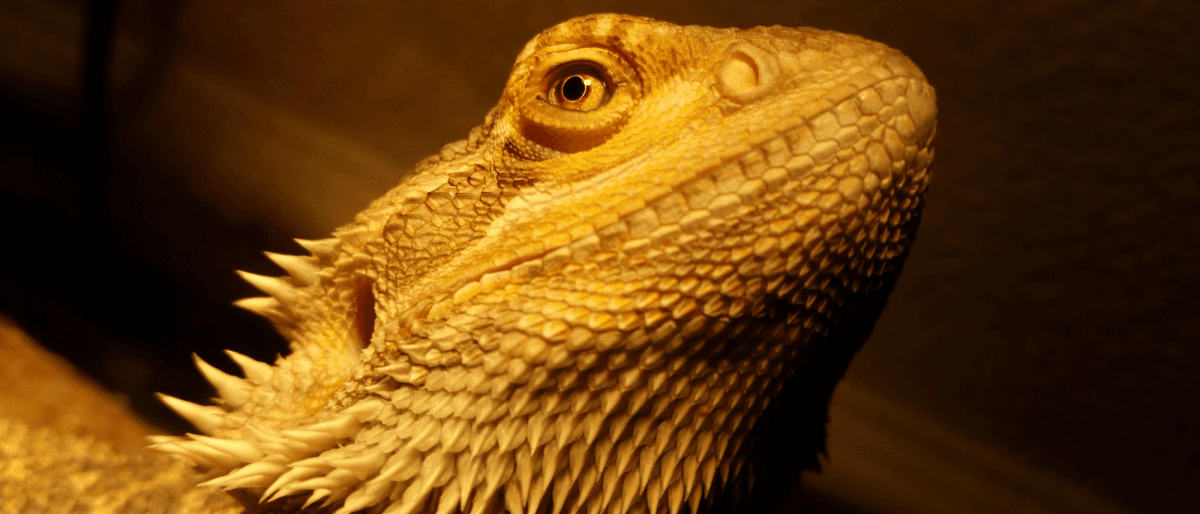
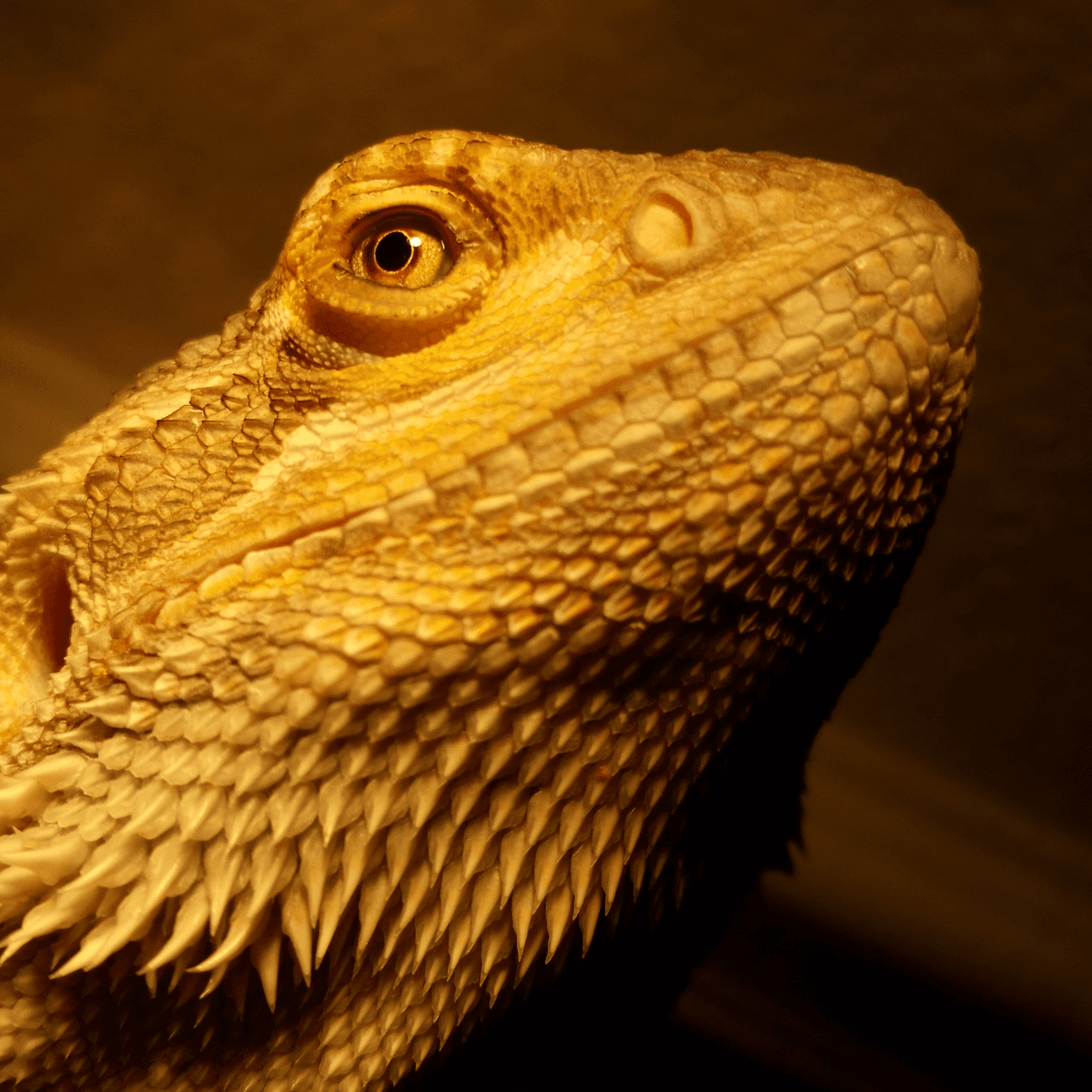
Photo Credit: Lizard side profile. HERP lab, 2025.[3]Eckerd College HERP lab, October 25, 2025. Lizard side profile.
References
- [1]Böhm, M., Collen, B., Baillie, B., Bowles, P. (2013). The conservation status of the world’s reptiles. Biological Conservation, 157, 372–385.
- [2]Bouchard, S. S., & Bjorndal, K. A. (2000). Sea turtles as biological transporters of nutrients. Ecology, 81(8), 2305–2317.
- [3]Eckerd College HERP lab, October 25, 2025. Lizard side profile.
- [4]Gibbons, J. W., et al. (2000). The global decline of reptiles, déjà vu amphibians. BioScience, 50(8), 653–666.
- [5]Greene, H. W. (1997). Snakes: The evolution of mystery in nature. University of California Press.
- [6]Janzen, F.J. (1994), Vegetational Cover Predicts the Sex Ratio of Hatchling Turtles in Natural Nests. Ecology, 75: 1593-1599. https://doi.org/10.2307/1939620
- [7]Pianka, E. R. (1986). Ecology and natural history of desert lizards. Princeton University Press.
- [8]Pringle, R. M., et al. (2019). Reptile declines and food web disruption. Science, 363(6425), 123–126.
- [9]Tingley, Reid, et al. “Addressing knowledge gaps in reptile conservation.” Biological Conservation, vol. 204, Dec. 2016, pp. 1–5, https://doi.org/10.1016/j.biocon.2016.07.021.
