“Brrr”umation: Reptile Inactivity During the Cold Months
Understand what ‘hibernation’ looks like in reptiles. Get to know the process of burmation and what reptiles do when the temperature is too cold.
Julianna Machulsky
Animal Technician - Herpetological Environments and Research in Practice (HERP) Laboratory, Eckerd College
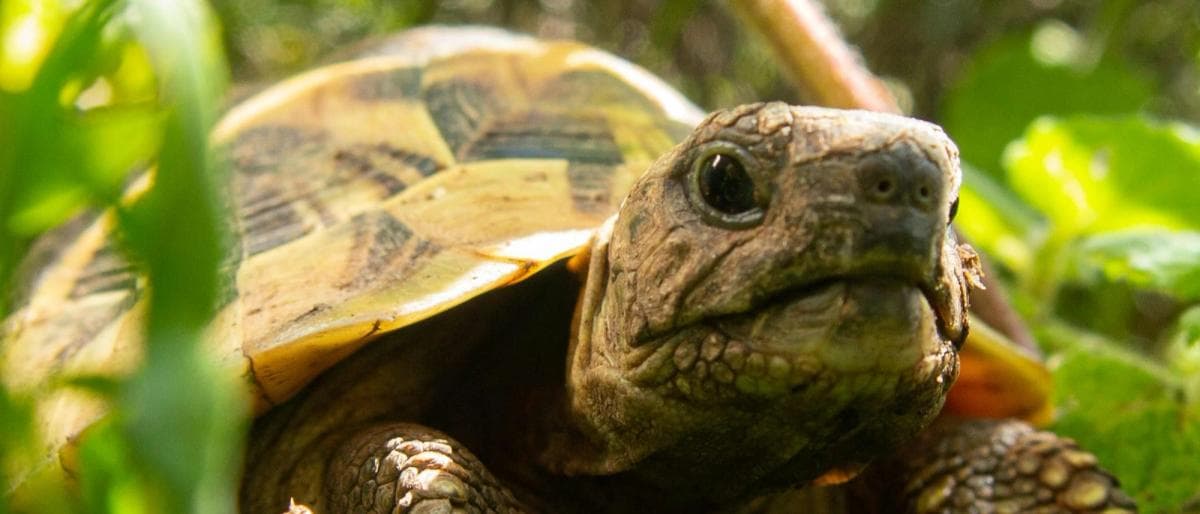
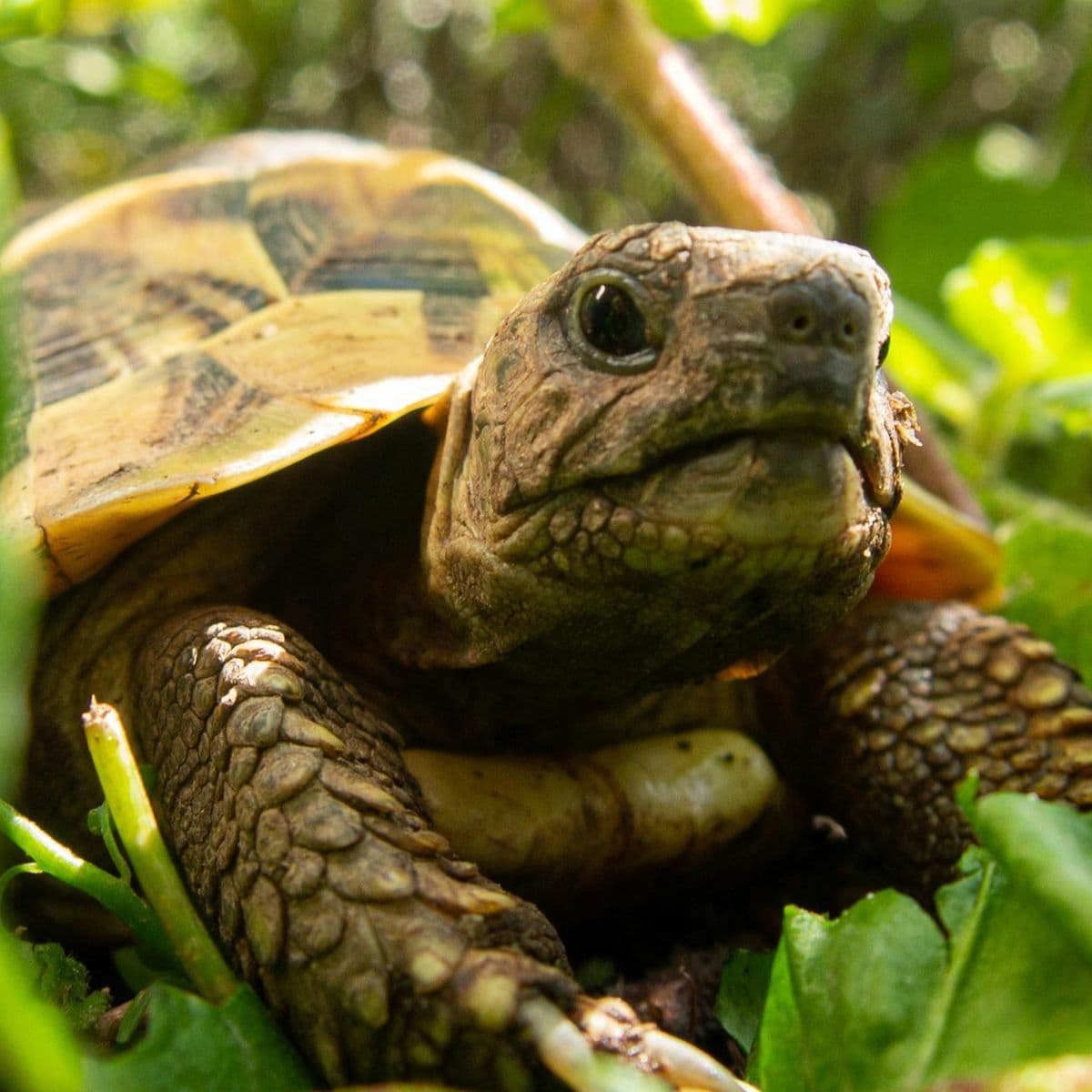
- Brumation: Slowing of the reptilian metabolism, a behavior evolved for survival during cooler winter months when food and warmth become scarce
- Reptiles stop eating and become lethargic
- Most reptiles will burrow or hide during brumation
- They are not in a sleep-like state as mammals experience in hibernation
- May occasionally bask or drink water when needed
Brumation is a Form of Hibernation for Herptiles, With Some Key Differences
Now you may not have heard of the term brumation, but you are probably familiar with hibernation, which is observed in many mammal species during the cold seasons. When reptiles and amphibians perform this similar seasonal ritual, it is called brumation. However, there are some key differences between hibernation and brumation based on our current understanding. It is a common misconception that, like mammals in hibernation, reptiles enter a long, deep sleep during cold months. However, reptiles in brumation are often conscious, just extremely lethargic in a state of dormancy.[1]Baldrey V., Guezennec L., Hedley J. (2022). Risk factors influencing brumation success in captive tortoises in the United Kingdom. Veterinary Record. 190(8), 1377. doi: 10.1002/vetr.1377. Epub 2022 Feb 3. PMID: 35118672.View source [7]Milsom W. K., & Jackson D. C. (2011). Hibernation and gas exchange. Comprehensive Physiology. 1(1), 397–420. DOI: 10.1002/cphy.c090018View sourceMammals in hibernation do not eat, drink, or (typically) wake up during their hibernation period, whereas herptiles in brumation often drink and even bask on warmer days.[7]Milsom W. K., & Jackson D. C. (2011). Hibernation and gas exchange. Comprehensive Physiology. 1(1), 397–420. DOI: 10.1002/cphy.c090018View source It is argued that brumation is more of a state of slowed metabolism.[6]Holden K. G., Gangloff E. J., Gomez-Mancillas E., Hagerty K., Bronikowski A. M. (2021). Surviving winter: physiological regulation of energy balance in a temperate ectotherm entering and exiting brumation. General and Comparative Endocrinology. 307, 113758. DOI: 10.1016/j.ygcen.2021.113758View source As our understanding of brumation progresses and we learn more on a species-by-species basis, some researchers even argue that brumation and hibernation could be the same thing. Either way, we know that brumation applies to reptiles, and hibernation to mammals, and some essential steps are needed to ensure your animal's safety during this time.
Your reptile brumates because it is a natural instinct that occurs when temperatures fall and days shorten.
Although pet reptiles have been increasing in popularity, very little is known about them compared to common house pets like dogs or cats.[2]Crisante A., Burman O. H. P., Wilkinson A. (2023). Does ownership impact perception of reptile cognitive abilities and welfare needs? Applied Animal Behaviour Science. 268, 106067. https://doi.org/10.1016/j.applanim.2023.106067View source For this reason, many new reptile keepers are unfamiliar with brumation behaviors, which differ slightly based on the type of reptile you have. Geckos can enter a less intense state of brumation, during which their metabolism decreases slightly, and they eat less; however, they remain generally active.[4]Dubiner S., Jamison S., Meiri S., Levin E. (2023). Squamate metabolic rates decrease in winter beyond the effect of temperature. Journal of Animal Ecology. 92(11), 2163-2174. https://doi.org/10.1111/1365-2656.13997Digital Object Identifier (DOI)View source Many turtles and tortoises enter deep brumation, spending most of their time buried.[1]Baldrey V., Guezennec L., Hedley J. (2022). Risk factors influencing brumation success in captive tortoises in the United Kingdom. Veterinary Record. 190(8), 1377. doi: 10.1002/vetr.1377. Epub 2022 Feb 3. PMID: 35118672.View source It is common to hear a new keeper express concern about their pet’s health during the cooler months, and a quick Google search may not help them conclude that it is entirely normal for their pet to become lethargic during this time.[6]Holden K. G., Gangloff E. J., Gomez-Mancillas E., Hagerty K., Bronikowski A. M. (2021). Surviving winter: physiological regulation of energy balance in a temperate ectotherm entering and exiting brumation. General and Comparative Endocrinology. 307, 113758. DOI: 10.1016/j.ygcen.2021.113758View source Even the slightest changes in temperature and light patterns can trigger brumation behaviors in reptiles.[6]Holden K. G., Gangloff E. J., Gomez-Mancillas E., Hagerty K., Bronikowski A. M. (2021). Surviving winter: physiological regulation of energy balance in a temperate ectotherm entering and exiting brumation. General and Comparative Endocrinology. 307, 113758. DOI: 10.1016/j.ygcen.2021.113758View source Therefore, a pet reptile may brumate even in a relatively temperature-controlled household and enclosure.[4]Dubiner S., Jamison S., Meiri S., Levin E. (2023). Squamate metabolic rates decrease in winter beyond the effect of temperature. Journal of Animal Ecology. 92(11), 2163-2174. https://doi.org/10.1111/1365-2656.13997Digital Object Identifier (DOI)View source In my experience, both my uromastyx lizard and a Hermann’s tortoise begin to slow in late summer to early fall. They eventually burrow into their substrate by late fall to early winter, with no interference from me with lighting or temperature. If you’re curious whether your pet should go into brumation, visit our HappyDragons species-specific care guides.
To prepare for brumation, you need to adjust your animals' food, heating, and light
Before you put your animal into brumation (if that is what the species requires), consult your veterinarian to ensure they are in the best possible health. In order to set up your herptile for a successful brumation, you want to do extensive research about its species-specific requirements. In the months before brumation, ensure they are getting plenty of food so they have fat stores to metabolize during brumation.[1]Baldrey V., Guezennec L., Hedley J. (2022). Risk factors influencing brumation success in captive tortoises in the United Kingdom. Veterinary Record. 190(8), 1377. doi: 10.1002/vetr.1377. Epub 2022 Feb 3. PMID: 35118672.View source Food should also be offered sparingly, closely leading up to brumation and throughout. As their metabolism slows, there is a risk that the reptile may retain food in its gut for an extended period, which can cause serious harm or even death.[1]Baldrey V., Guezennec L., Hedley J. (2022). Risk factors influencing brumation success in captive tortoises in the United Kingdom. Veterinary Record. 190(8), 1377. doi: 10.1002/vetr.1377. Epub 2022 Feb 3. PMID: 35118672.View source As a general rule of thumb for all herptiles, a couple of weeks before you plan for them to start brumation, you should shorten their light or sunlight exposure during the day to about 6 hours of light and 18 hours of darkness—though this may vary on an individual basis.[4]Dubiner S., Jamison S., Meiri S., Levin E. (2023). Squamate metabolic rates decrease in winter beyond the effect of temperature. Journal of Animal Ecology. 92(11), 2163-2174. https://doi.org/10.1111/1365-2656.13997Digital Object Identifier (DOI)View source As the time for brumation approaches, slowly decreasing the temperature of their basking spot will mimic the natural transition to winter.[1]Baldrey V., Guezennec L., Hedley J. (2022). Risk factors influencing brumation success in captive tortoises in the United Kingdom. Veterinary Record. 190(8), 1377. doi: 10.1002/vetr.1377. Epub 2022 Feb 3. PMID: 35118672.View source When it is time for your pet to brumate, it is recommended that you turn off all light and heat sources a couple of days in advance to ensure they stay in brumation. This period of dormancy should last 2-4 months, and afterward, you must carefully acclimate your herptile back to normal temperatures. Restart them on the 6-hour-a-day schedule and gradually work them back up to longer daylight hours to help them acclimate. Their behavior shortly before and after brumation often differs due to hormonal and metabolic changes. For more information about your specific herptile, check out our Happy Dragons Care Guides.
Brumation can be Positive or Negative; it depends on you and your Pet.
There are many benefits to allowing your pet reptile to brumate, such as a longer lifespan and better health, as explored by.[3]Calatayud N. E., Hammond T. T., Gardner N. R., Curtis M. J., Swaisgood R.R., Shier D. M. (2020). Benefits of overwintering in the conservation breeding and translocation of a critically endangered amphibian. Conservation Science and Practice, 3(2). DOI: 10.1111/csp2.341View source It may feel scary to leave your pet buried without food for months. Still, one may argue that they are evolved to endure this period of lethargy and that it plays a vital role in hormone function.[3]Calatayud N. E., Hammond T. T., Gardner N. R., Curtis M. J., Swaisgood R.R., Shier D. M. (2020). Benefits of overwintering in the conservation breeding and translocation of a critically endangered amphibian. Conservation Science and Practice, 3(2). DOI: 10.1111/csp2.341View source Animals that naturally brumate emerge from brumation ready for spring reproduction, while those that do not brumate may have abnormal reproductive hormones.[3]Calatayud N. E., Hammond T. T., Gardner N. R., Curtis M. J., Swaisgood R.R., Shier D. M. (2020). Benefits of overwintering in the conservation breeding and translocation of a critically endangered amphibian. Conservation Science and Practice, 3(2). DOI: 10.1111/csp2.341View source However, brumation sets individuals back in growth compared to non-brumating animals; they quickly catch up by the time it’s needed.[3]Calatayud N. E., Hammond T. T., Gardner N. R., Curtis M. J., Swaisgood R.R., Shier D. M. (2020). Benefits of overwintering in the conservation breeding and translocation of a critically endangered amphibian. Conservation Science and Practice, 3(2). DOI: 10.1111/csp2.341View source It is important to note, though, that there are also many risks associated with brumation. If animals lack adequate nutrients and body weight, brumation can be extremely dangerous, potentially resulting in serious illness or even death.[1]Baldrey V., Guezennec L., Hedley J. (2022). Risk factors influencing brumation success in captive tortoises in the United Kingdom. Veterinary Record. 190(8), 1377. doi: 10.1002/vetr.1377. Epub 2022 Feb 3. PMID: 35118672.View source Similarly, the brumation techniques used could prove fatal if owners are not careful about factors such as temperature regulation, location, and shelter/safety.[1]Baldrey V., Guezennec L., Hedley J. (2022). Risk factors influencing brumation success in captive tortoises in the United Kingdom. Veterinary Record. 190(8), 1377. doi: 10.1002/vetr.1377. Epub 2022 Feb 3. PMID: 35118672.View source It is recommended to seek a veterinarian to perform a health check-in and give personalised advice on your pet before brumating them to ensure their safety, and again afterward to ensure they are healthy.
Image Credit: Tortoise amongst leaves.[8]Dietachmair, Marcus (2020) https://unsplash.com/photos/brown-and-black-turtle-on-green-leaves-KMZakCDunegView source
References
- [1]Baldrey V., Guezennec L., Hedley J. (2022). Risk factors influencing brumation success in captive tortoises in the United Kingdom. Veterinary Record. 190(8), 1377. doi: 10.1002/vetr.1377. Epub 2022 Feb 3. PMID: 35118672.
- [2]Crisante A., Burman O. H. P., Wilkinson A. (2023). Does ownership impact perception of reptile cognitive abilities and welfare needs? Applied Animal Behaviour Science. 268, 106067. https://doi.org/10.1016/j.applanim.2023.106067
- [3]Calatayud N. E., Hammond T. T., Gardner N. R., Curtis M. J., Swaisgood R.R., Shier D. M. (2020). Benefits of overwintering in the conservation breeding and translocation of a critically endangered amphibian. Conservation Science and Practice, 3(2). DOI: 10.1111/csp2.341
- [4]Dubiner S., Jamison S., Meiri S., Levin E. (2023). Squamate metabolic rates decrease in winter beyond the effect of temperature. Journal of Animal Ecology. 92(11), 2163-2174. https://doi.org/10.1111/1365-2656.13997Digital Object Identifier (DOI)
- [5]Dubiner S., Meiri S., Levin E. (2024). Seasonal remodeling of visceral organs in the invasive desert gecko Tarentola annularis. Integrative Zoology. 19(6), 1047–1056. https://doi.org/10.1111/1749-4877.12814Digital Object Identifier (DOI)
- [6]Holden K. G., Gangloff E. J., Gomez-Mancillas E., Hagerty K., Bronikowski A. M. (2021). Surviving winter: physiological regulation of energy balance in a temperate ectotherm entering and exiting brumation. General and Comparative Endocrinology. 307, 113758. DOI: 10.1016/j.ygcen.2021.113758
- [7]Milsom W. K., & Jackson D. C. (2011). Hibernation and gas exchange. Comprehensive Physiology. 1(1), 397–420. DOI: 10.1002/cphy.c090018
- [8]Dietachmair, Marcus (2020) https://unsplash.com/photos/brown-and-black-turtle-on-green-leaves-KMZakCDuneg