Ethics of Breeding Silkback (“Silkie”) Bearded Dragons
Silkback bearded dragons have incredible pattern and color, but behind the pretty hide is a dark truth. Read this article before you buy.
Mariah Healey
Founder, ReptiFiles
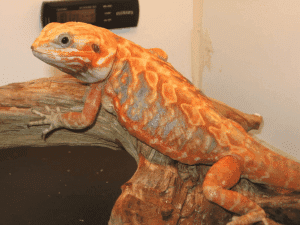
Silkback (or “silkie”) bearded dragons have always rubbed me the wrong way. Mostly because they look like someone crossed a bearded dragon with a naked mole rat and the offspring…well..let’s be honest, nothing good can come of that pairing. Thus the silkback beardie.
But that’s just my opinion. Lots of people love their silkies — there’s one on Instagram named Smeagol (perfect name, right?). Silkback bearded dragons are some of the most expensive beardies out there, as something of a “luxury” type. And for good reason: because silkies’ scales are so tiny, their colors and patterns are unbelievable.
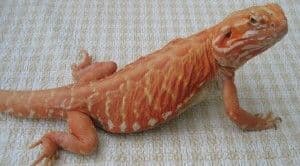
Unfortunately, the pretty hide comes at a price: their health. Silkback bearded dragons suffer increased risk of illness, shorter lifespan, and difficulty shedding. If you think peeling after a sunburn is bad, think about what it would be like to do that on a regular basis — all over your body.
Since silkies have virtually no scales for protection, they’re more likely to lose limbs as babies — walk in to a pet store to see what I mean.
Furthermore, female silkbacks used as breeders sustain serious injuries during the mating process.
I’ll let you make the decision whether or not to buy silkies, thus supporting the trade. But you should read this article first: